Stopping Bad Actors in Their Tracks: How Telecom Trust Center Can Protect You

Telecom Trust Center • September 8, 2025

In today's telecom landscape, bad actors are constantly looking for ways to exploit phone networks. One area that's become increasingly problematic is calls made to restricted numbers that telecom providers flag as sensitive, high-risk, or otherwise off-limits. These calls can lead to regulatory headaches, security risks, and frustrated customers.


For telecom providers, the challenge is clear: how do you prevent unauthorized calls from reaching these restricted numbers without disrupting legitimate traffic? Traditional tools can only go so far, leaving providers with incomplete visibility and reactive, rather than proactive, defenses.


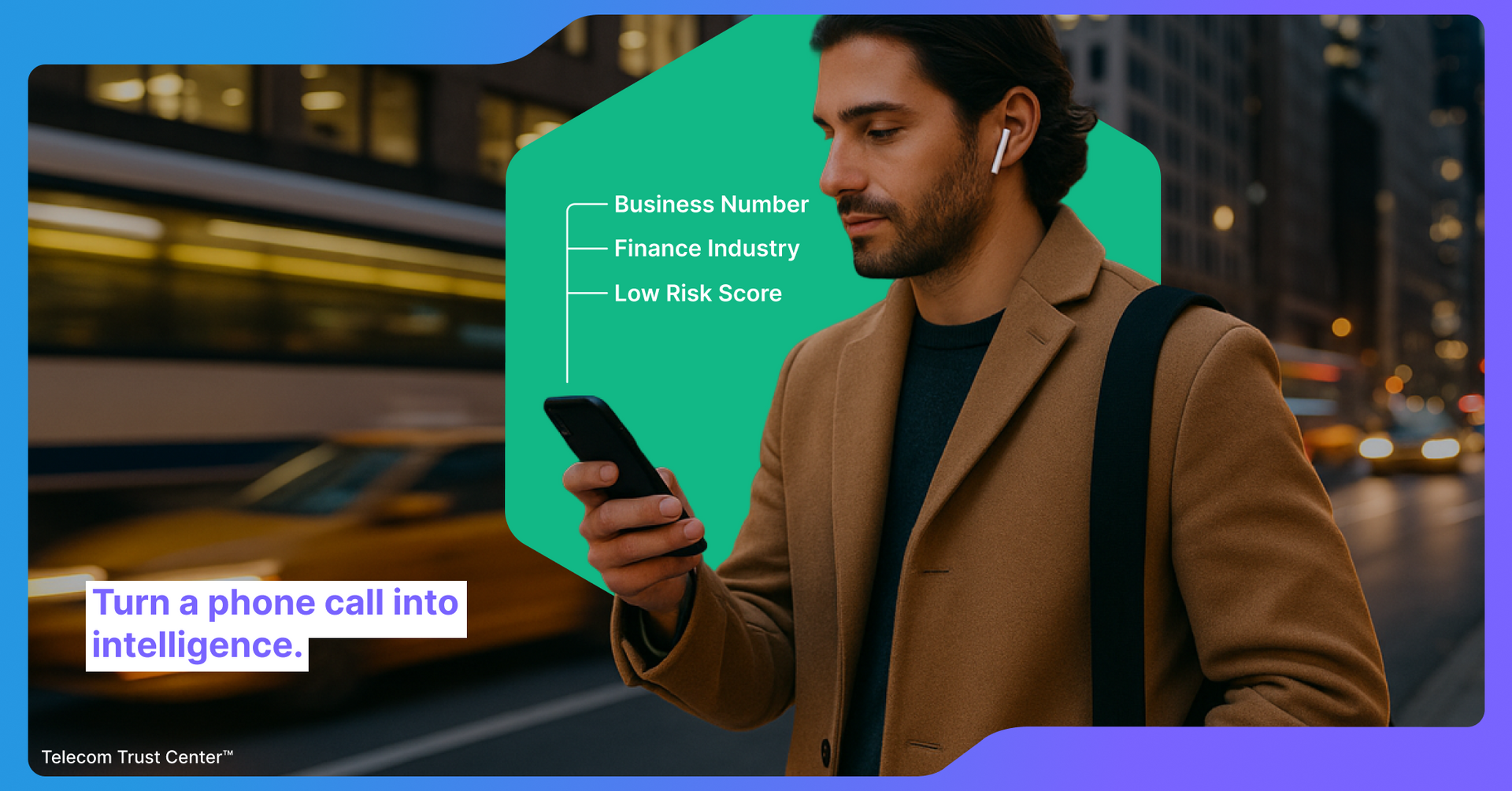
That's where Telecom Trust Center comes in. Our comprehensive information lookup allows providers to quickly identify the origin of any number, giving you the context you need to make informed decisions. By knowing who is calling, what numbers you actually have on your lists, and how those numbers are being used, you can:


  • Reduce fraud and unauthorized activity: Identify suspicious callers before they reach restricted lines.
  • Protect customer trust: Ensure sensitive numbers remain off-limits to unauthorized callers.
  • Optimize network safety: Make proactive decisions based on accurate, up-to-date number intelligence.


In short, Telecom Trust Center gives telecom and CPaaS providers the clarity and control needed to stay ahead of bad actors. With the right tools, restricted numbers don't have to be a liability; they can remain a secure part of your network, and your customers can stay protected.


--

Learn more at www.telecomtrustcenter.com or reach out to us directly for a demo at hello@telecomtrustcenter.com.

Share this post:

Discover more insights:

By Telecom Trust Center December 3, 2025
The FCC’s ongoing effort to stop illegal robocalls reached a major milestone with a new rule taking effect on December 15, 2025. This update requires every voice service provider in the call path to block calls that use numbers on a Do-Not-Originate list. This is a shift from earlier rules that mostly focused on gateway providers. Now, any provider that originates, carries, or hands off a call must have protections in place. If a provider fails to comply, the FCC can direct downstream carriers to block that provider’s traffic entirely. The cost of falling short is high, and the industry is paying close attention to this deadline. Telecom Trust Center was built for moments like this. What the FCC Now Requires The rule calls for providers to maintain a reasonable DNO list and block calls that should never be allowed to originate. These categories include: Invalid numbers Unallocated or unused numbers Numbers that exist only to receive inbound calls Numbers used by banks, government agencies, and law enforcement Any number the subscriber designates as DNO The goal is simple. Stop illegal or deceptive traffic before it enters the public network. Why Many Providers Are Struggling Most providers don’t have visibility into which numbers belong to banks, government offices, or law enforcement, and they rarely have that information checked and updated in real-time. Many don’t have the internal tools to validate caller ID ownership or enforce institution-level protections. They often rely on partially updated lists or carrier-level checks that don’t catch everything. Compliance is not just about blocking obvious fraud. It’s about showing the FCC you have a documented process and real enforcement. How Telecom Trust Center Helps Telecom Trust Center provides a strong, defensible compliance layer. Our technology can detect: Numbers publicly identified as belonging to banks and financial institutions Government agency numbers Law enforcement numbers Hospital and pharmacy numbers And many other categories that you can use to better understand your traffic and block anything you do not want on your network We can stop these calls before they even originate. This protects your network, your customers, and your standing with the FCC. We also work alongside your upstream carrier’s DNO enforcement. Carriers handle invalid, unallocated, unused, and toll-free inbound-only numbers. Telecom Trust Center adds the institution-level intelligence that most providers don’t have. Together, both layers create a complete DNO strategy. Why This Matters Now Providers that cannot explain how they block prohibited caller ID numbers risk enforcement action. The FCC has made this clear. If a provider allows calls to originate with numbers that should be on a DNO list, the FCC can require downstream carriers to block that provider’s traffic. This kind of disruption can shut down a business overnight. Telecom Trust Center helps prevent that outcome. Our platform gives you the tools, documentation, and blocking logic you need to show compliance with the December 15 rule. Preparing for the Deadline If your team has not updated its robocall mitigation plan or caller ID validation process, now is the time. We can help you: Strengthen your DNO blocking Validate caller ID authorization Add institution-level protections Document your approach for FCC audits and traceback requests Compliance is no longer optional. It’s a requirement for staying live on the network. The December 15 deadline is a turning point for the telecom industry. Providers that invest in smart, layered protection will move forward with confidence. Telecom Trust Center is here to support that shift. Our goal is to help you keep your traffic clean, your customers safer, and your network compliant. Integrate in minutes and get number intelligence in seconds.  If you’d like to learn how we can support your compliance strategy, visit https://www.telecomtrustcenter.com or sign up for free today by visiting https://app.telecomtrustcenter.com/user/register !

By Telecom Trust Center November 10, 2025
Telecom providers operate in a complex threat environment. Fraud tactics are more advanced, compliance expectations are tighter, and network data is multiplying fast. Without the right integrations in place, even strong systems can miss what’s hiding in plain sight. This is why it’s more important than ever for providers to have the tools to protect themselves and their customers. One of the most effective defenses for telecom providers is comprehensive data integration. Simply relying on a single source of information can leave blind spots, such as a number appearing legitimate on one list but being flagged as suspicious on another. Without integrated data, telecom providers risk making reactive decisions or, worse, unauthorized activity slipping through unnoticed. By integrating additional sources of data, providers gain a complete view of the numbers passing through their networks. This means you can:  Detect threats faster: Cross-reference multiple datasets to identify high-risk numbers before they cause harm. Enhance fraud prevention: Stop bad actors in real time by seeing patterns and connections invisible in isolated systems. Streamline compliance: Ensure your network aligns with regulatory requirements by leveraging robust, verified data. Improve decision-making: With a fuller picture, you can prioritize resources, manage risk, and protect customers more effectively. Telecom Trust Center offers seamless data integration options, giving providers actionable insights and the confidence to safeguard their networks. In an environment where threats are constantly evolving, more data isn't just useful. It's essential to stay one step ahead of bad actors and protect your network. -- Learn more at www.telecomtrustcenter.com or reach out to us directly for a demo at hello@telecomtrustcenter.com.
By Telecom Trust Center October 6, 2025
Telecom providers have long focused on ensuring calls connect and networks run smoothly. However, one area often overlooked is the type of numbers being called. Without vetting number categories, providers leave a significant blind spot in their networks. This gap creates real challenges for CPaaS (Communications Platform as a Service) providers. Without clear insight into number types, it's nearly impossible to enforce policies, detect misuse, or prevent fraud effectively. Calls might appear legitimate on the surface, but without understanding the number's category—whether it's high-risk, restricted, or otherwise sensitive—bad actors can exploit the system. This lack of visibility can lead to: Unmonitored risk: Fraudulent or malicious calls slip through undetected. Policy enforcement gaps: Providers struggle to enforce restrictions or guidelines across their networks. Customer trust issues: End users may experience unwanted calls or misuse of sensitive numbers. Telecom Trust Center addresses this critical gap with comprehensive number categorization. By knowing the type and context of each number, CPaaS providers can:  Proactively police numbers: Identify and block high-risk or restricted numbers before they're used. Enhance fraud prevention: Stop bad actors from exploiting unknown number categories. Maintain customer confidence: Ensure communications are safe, secure, and trustworthy. Number categorization isn't just a nice-to-have. It's a vital piece of network security. Contact Telecom Trust Center today to learn how our patent-pending number intelligence can help your CPaaS platform close this gap and protect your customers. -- Learn more at www.telecomtrustcenter.com or reach out to us directly for a demo at hello@telecomtrustcenter.com.